
📘 Learning Objectives
- Understand why plant and animal tissues differ in structure
- Identify meristematic tissues (apical, lateral, intercalary) and their role in plant growth
- Classify permanent tissues — simple (parenchyma, collenchyma, sclerenchyma) and complex (xylem, phloem)
- Describe the four types of animal tissues — epithelial, connective, muscular and nervous
- Explain the musculoskeletal system, types of joints, and the skeletal system
Chapter Index
Introduction 3.1 Plant vs Animal Tissues 3.2 Tissues for Growth in Plants 3.2.4 Permanent Tissues 3.3 Animal Tissues 3.3.2 Connective Tissues 3.3.3 Muscles & Movement 3.3.4 Nervous Tissue 3.4 Musculoskeletal System 3.5 Types of Joints 3.6 Skeletal System At a Glance Revise, Reflect, Refine Take the QuizTissues in Action
- Life begins when a single cell divides itself several times to give rise to a large number of cells.
- These cells gradually form the skin (protection), muscles (movement), bones (support), nerves (control and coordination), and all other organs.
- The cell is the basic unit of life; many cells come together to form a multicellular organism.
- In all multicellular organisms, there is a hierarchy of organisation: cells of similar type and function group together to form a tissue → more than one type of tissue forms an organ → different organs form organ systems → organ systems form an organism.
- In unicellular organisms, such as amoeba, a single cell performs all functions of life.
- In multicellular organisms like plants and animals, different groups of cells perform different functions.
- A tissue is a group of cells (similar in structure) that work together to perform a specific function.
- The formation of different types of tissues leads to division of labour, which increases efficiency and enables complex life processes.
- Example: in animals, muscle tissue enables movement and nervous tissue carries messages; in plants, xylem transports water and minerals, while phloem transports food.
🤔 Think It Over
- How is the study of cells and tissues significant for understanding the life processes and human welfare?
- How are tissues in plants and animals different, and why?
- How is the division of labour at various levels of organisation in multicellular organisms correlated with their structure and function?
3.1 Why are Plant and Animal Tissues Different?
- Most plants are fixed in one place and do not move from place to place like animals; they need support to stay firm and upright.
- Plant cells have a cell wall that provides rigidity and strength.
- In general, animals can move (although some, such as sponges, are immobile).
- Without a rigid cell wall, animal cells can change shape easily — this cellular flexibility helps make their bodies suitable for locomotion.
- Mode of nutrition also differs: animals have tissues to digest food from different sources, while plants have tissues that utilise solar energy to synthesise food through photosynthesis.
- Plants and animals have distinct tissues for transporting food and water to different parts of the body.
- Growth patterns in plants and animals vary because the tissues responsible for growth differ in structure and function.
Q1. What is a tissue?
Show Answer
Q2. Why can animal cells change shape easily while plant cells cannot?
Show Answer
Q3. How is the division of labour at various levels of organisation in multicellular organisms correlated with their structure and function?
Show Answer
3.2 Tissues for Growth in Plants
- A small seedling grows into a tall tree, roots grow deep into the soil, stems become thicker with time, and grass grows again after being eaten by grazing animals.
- Plants grow in different ways:
- increase in length (height of stem and depth of roots)
- increase in girth (thickness of stem)
- regrowth after cutting the branches or grazing by animals
- This growth requires actively dividing cells that together form a tissue called meristematic tissue.
3.2.1 Apical meristem — How do plants grow in length?
🧪 Activity 3.1: Let us design experiments
- Take two glass jars or couplin jars and fill them with water.
- Take two onion bulbs and place one in each jar.
- Observe the growth of roots in both bulbs for a few days.
- Measure the length of roots on days 1, 2 and 3.
- On day 3, cut the root tips of the onion bulb in Jar B by about 1 cm. Observe and measure root growth in both jars for four more days.
Observations:
- Roots in Jar A continue to grow in length.
- Roots in Jar B stop growing after the tips are cut.
- This shows that roots grow only from their tips — the tips consist of cells which divide continuously.
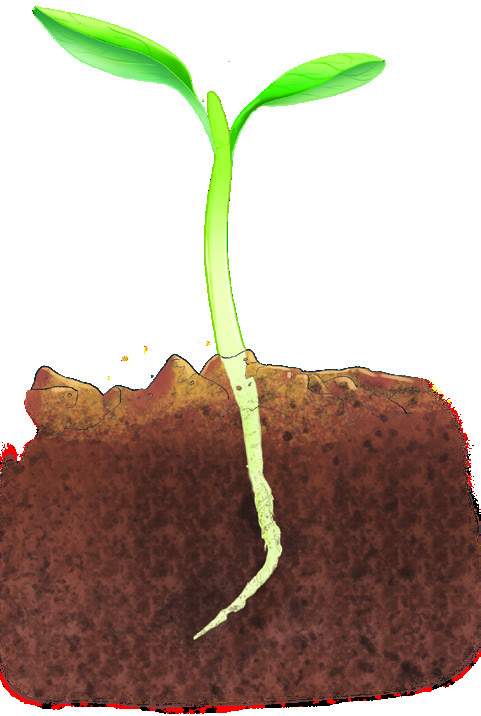
Fig 3.3: Location of apical meristem in a sapling
- This observation confirms that root tips contain actively dividing cells; shoot tips also contain actively dividing cells that help shoots grow in length.
- Plants have growth zones at the tips of their roots and shoots, called apical meristems, which help plants grow in length.
3.2.2 Lateral meristem — How do plants grow in girth?
- The stems of dicot plants not only grow in length but also increase in diameter or girth over time.
- The cut trunk of a tree shows several ring-like patterns called annual growth rings.
- By counting these annual rings, scientists can estimate the age of a tree and understand the climatic conditions under which it grew.
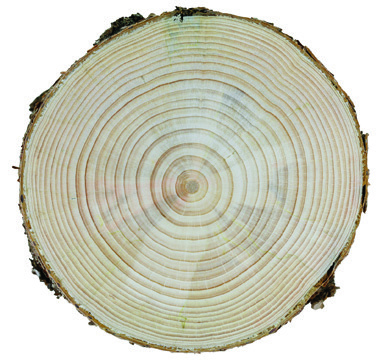
Fig 3.4: T.S. of a tree trunk showing annual growth rings
- The increase in girth occurs due to actively dividing cells arranged in a ring in the stem.
- These cells divide and produce new cells inside and outside in a concentric manner, increasing the stem’s diameter.
- This meristematic tissue is called the lateral meristem.
3.2.3 Intercalary meristem — How do plants grow after being cut?
- If the tip of a young stem is cut, the stem stops growing in length, but new branches arise from the nodes of the stem.
- The intercalary meristem is located at the base of the internode or just above the node.
- The node is the point on a plant stem where branches or leaves arise.
- The internode is the part of the stem between two nodes.
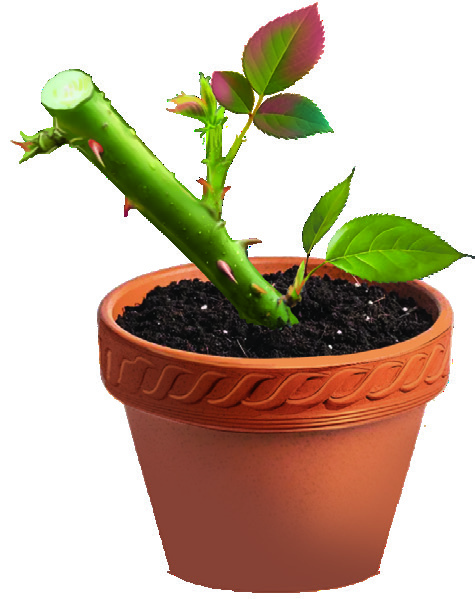
Fig 3.5: New branches arising from the node of a stem
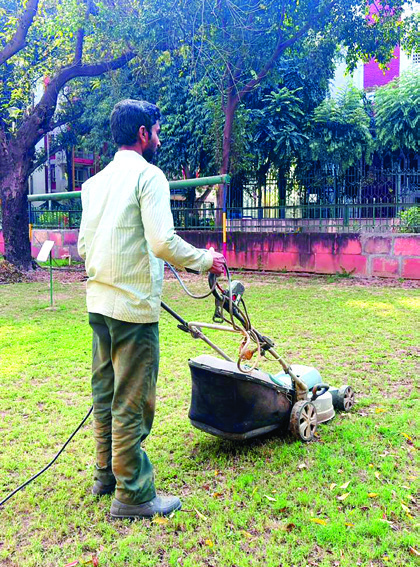
Fig 3.6: Lawn mowing
- When a garden hedge is cut, more branches appear after some time, giving the hedge a bushy appearance.
- Grass also reappears after being mowed and/or grazed by animals, because of the intercalary meristem present at the nodes of its stem.
Plants have three types of meristematic tissues:
- Apical meristem — at root and shoot tips; increases length
- Lateral meristem — along the circumference of stems; increases girth
- Intercalary meristem — at the base of certain plants such as grasses; helps regeneration after cutting
Characteristics of meristematic cells:
- Small, with thin cell walls
- Large and prominent nucleus
- Dense cytoplasm with many organelles
- Vacuoles generally absent
- Cells tightly packed with little or no intercellular space
- Due to continuous cell division, meristematic tissue adds new cells to the plant body.
- Some newly formed cells remain meristematic; others lose the ability to divide and undergo changes in structure and function to become permanent tissues.
- This process — meristematic tissue becoming specialised to perform specific functions — is called differentiation.
Q4. Which meristematic tissue helps plants grow in length?
Show Answer
Q5. Explain the difference between a node and an internode.
Show Answer
Q6. Why do you think the cells of meristematic tissue lack vacuoles?
Show Answer
3.2.4 Permanent Tissues
- A T.S. of a sunflower stem under a microscope shows different groups of cells, each specialised to perform a specific function — these are permanent tissues.
- Permanent tissues can be:
- Simple — composed of only one type of cell
- Complex — composed of more than one type of cell
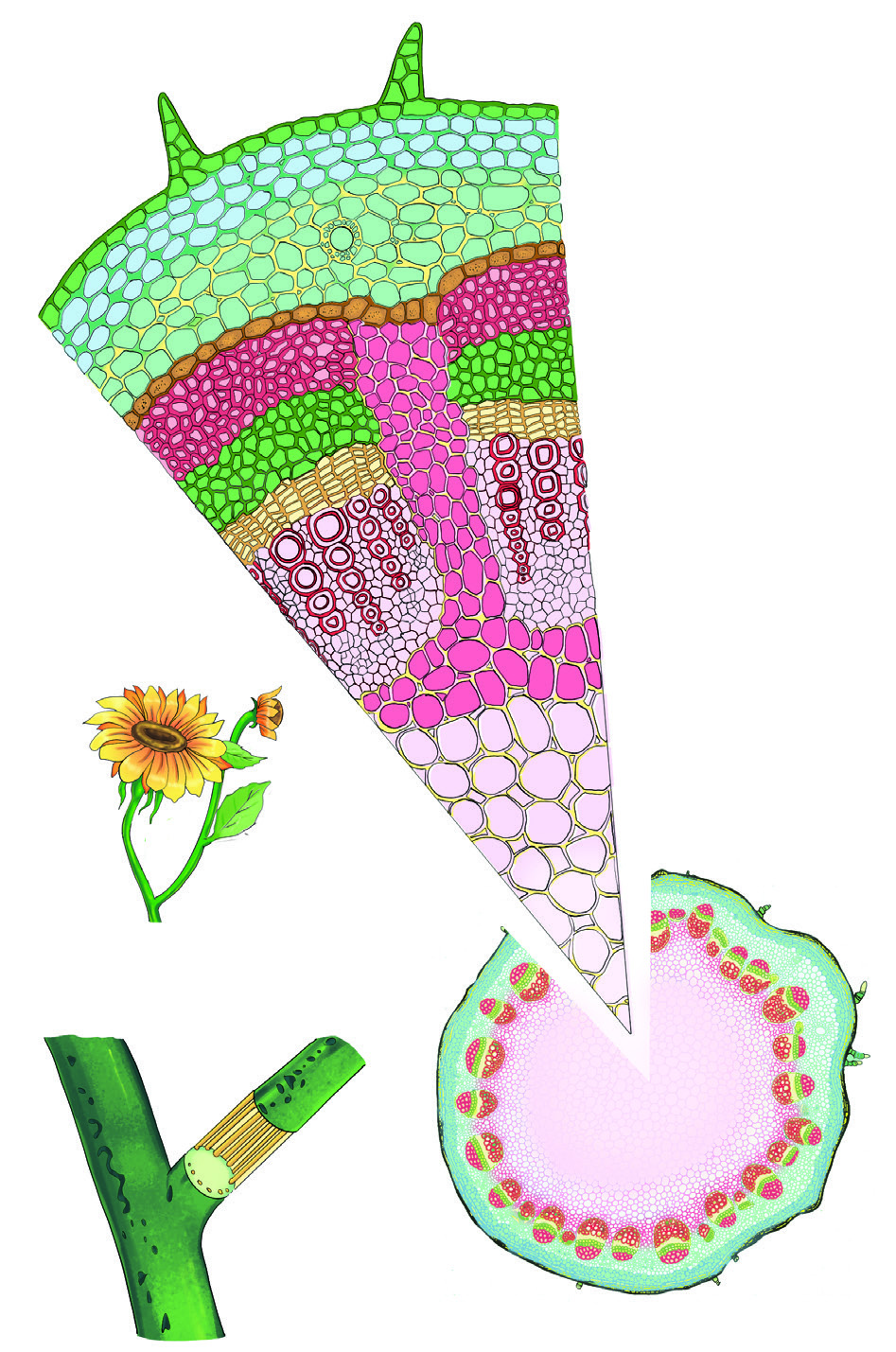
Fig 3.7: Internal structure of a sunflower stem showing epidermis, cuticle, collenchyma, parenchyma, sclerenchyma, phloem, lateral meristem and xylem
(i) Protective tissue — Epidermis
- The epidermis forms the outermost layer of the plant body — a tightly packed, single layer of flat and rectangular cells.
- It protects all parts of the plant; cells are covered with a waxy layer of cutin called cuticle.
- In plants living in dry habitats, the epidermis may have a thick cuticle layer to reduce water loss during transpiration.
- Hair-like projections arise from epidermal cells:
- In roots — called root hair, which increase surface area for absorption of water and minerals
- In leaves — the epidermis contains pores called stomata, which help in gaseous exchange and transpiration
- Transpiration helps water transportation by creating a transpiration pull in xylem, and helps eliminate wastes from the plant body.
(ii) Supporting tissue — Simple permanent tissues
There are three types of simple permanent tissues — parenchyma, collenchyma and sclerenchyma.
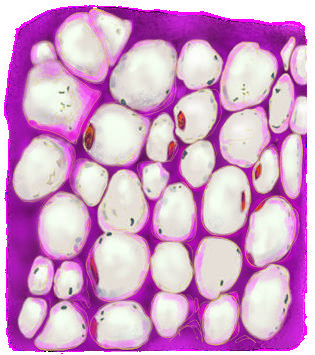
Fig 3.8a: Parenchyma — thin walls
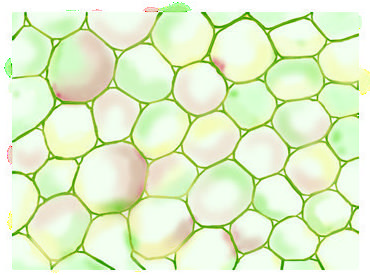
Fig 3.8b: Collenchyma — thick walls
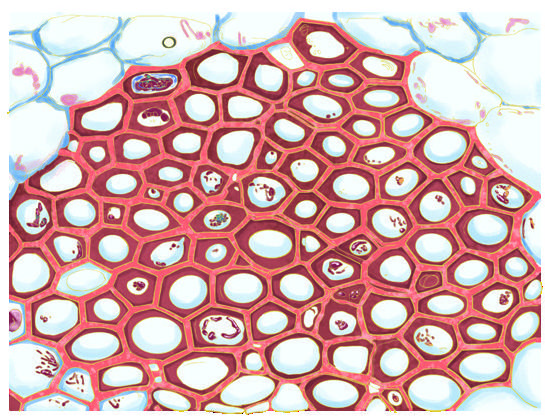
Fig 3.8c: Sclerenchyma — thick lignified walls
- a. Parenchyma:
- Living cells with thin walls, loosely packed with intercellular spaces
- Mainly stores food; also performs photosynthesis in green parts of plants
- In aquatic plants, specialised parenchyma forms air spaces that help plants float
- b. Collenchyma:
- Living cells with unevenly thickened corners due to pectin deposition (gives flexibility like rubber)
- Provides support and flexibility — allows stems and tendrils to bend without breaking
- c. Sclerenchyma:
- Thick walls due to lignin deposition — hard and strong (forms woody structure)
- Most cells are dead
- Found in stems, leaf veins, and hard coverings of seeds/nuts (e.g., coconut husk, walnut shell)
(iii) Conducting tissues — Complex permanent tissues
- Plants have specialised conducting tissues called xylem and phloem, together known as complex permanent tissues — made up of different types of cells working together.
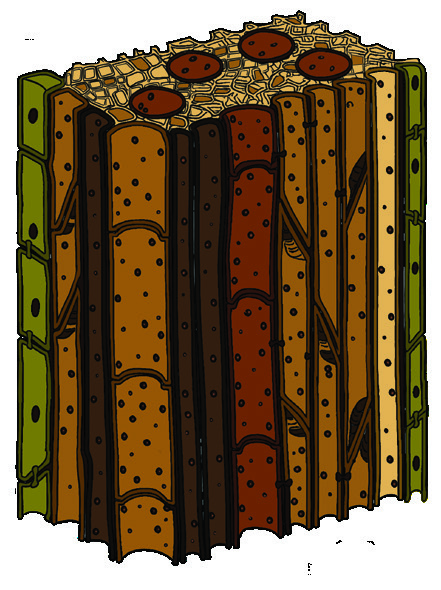
Fig 3.9a: Xylem — tracheid, vessel, xylem fibre, xylem parenchyma
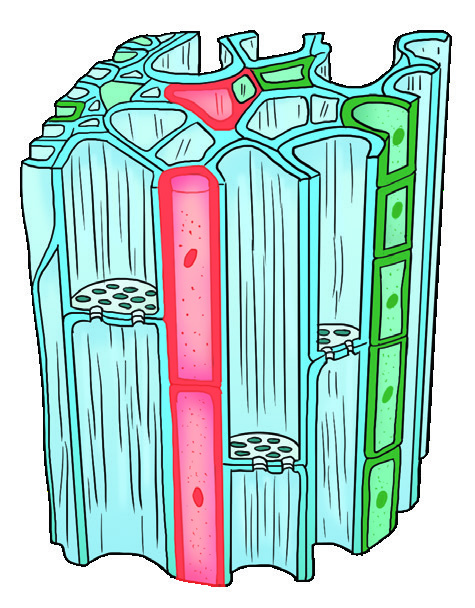
Fig 3.9b: Phloem — sieve tube, sieve pore, companion cell, phloem parenchyma
- Xylem:
- Transports water and minerals from roots to other parts of the plant; provides strength
- Consists of tracheids, vessels, xylem parenchyma and xylem fibres
- Tracheids and vessels are tubular and thick-walled
- Xylem parenchyma is the only living component; tracheids, vessels and xylem fibres are primarily sclerenchymatous
- Phloem:
- Mostly made up of living cells; consists of sieve tubes, companion cells, phloem parenchyma and phloem fibres
- Sieve tubes transport food from leaves to other parts of the plant
- Companion cells regulate the cellular functions of sieve tube cells, monitoring loading/unloading of sugars
- Phloem parenchyma stores food materials, resin, tannins and latex
- Phloem fibres support sieve tubes and provide strength
Plant tissues are organised into three tissue systems:
- Dermal tissue system: forms the outer covering of the plant; protects inner parts and reduces water loss
- Ground tissue system: forms the main body of a plant between dermal and conducting tissues; includes parenchyma, collenchyma and sclerenchyma
- Vascular tissue system: consists of conducting tissues — xylem and phloem
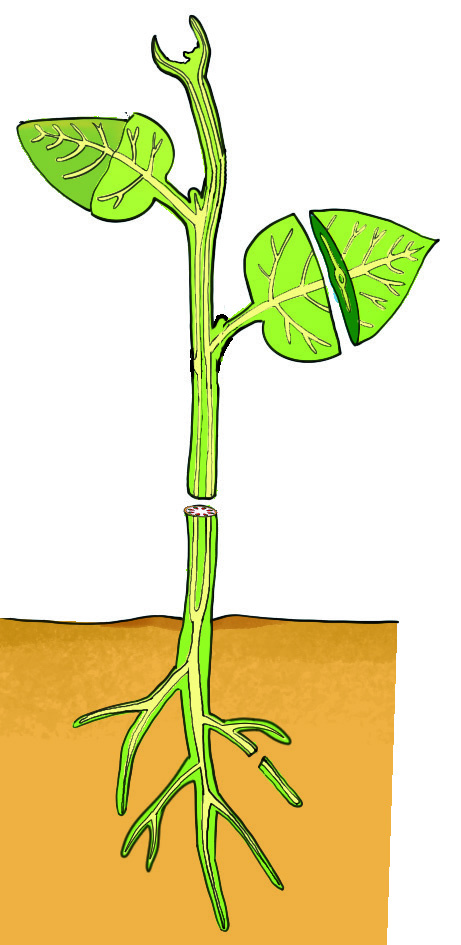
Fig 3.10: Tissue systems in plants — whole plant view
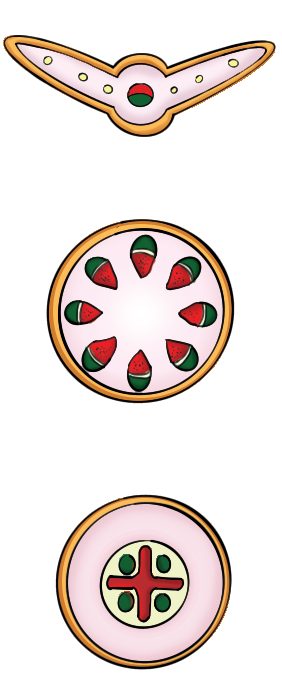
Fig 3.10: T.S. of leaf, stem and root showing tissue systems
Q7. Name the two types of complex permanent tissues in plants.
Show Answer
Q8. If a plant is unable to transport food from leaves to roots, which tissue is malfunctioning?
Show Answer
Q9. Coconut husk fibres are used for mats which are tough and fibrous. Which tissue has structural features suitable for providing this strength? Explain why living parenchyma couldn’t serve the same purpose.
Show Answer
3.3 Animal Tissues
- Like plants, animal cells also group together and specialise in performing different functions — these groups form animal tissues.
- Animal tissues are mainly of four types: epithelial, connective, muscular and nervous.
3.3.1 Epithelial tissues — Structure and functions
- Epithelial tissue forms the outer covering of the body (skin) and also lines internal organs such as the mouth, lungs, blood vessels and intestine.
- Composed of closely packed cells with very little space between them.
- Functions: prevents entry of germs, reduces water loss, helps in absorption, secretion and movement of substances.
| Function | Structure | Location in the body |
|---|---|---|
| Exchange: rapid diffusion of liquids and gases | Single layer of thin, flat cells | Lining of blood vessels and lungs |
| Protection: protects from injury, friction, microbes | Many layers; outer cells flat and tightly packed | Skin, mouth, oesophagus |
| Secretion: production of mucus, enzymes, hormones, sweat | Cells specialised for releasing substances; cuboidal or columnar | Salivary glands, sweat glands, stomach lining |
| Sensory functions: smell, taste, sound, balance | Specialised receptor cells with hair-like cilia | Nostrils, taste buds, inner ear |
| Absorption: efficient uptake of nutrients, water | Single layer of tall, pillar-like cells, often with hair-like structure | Lining of small intestine |
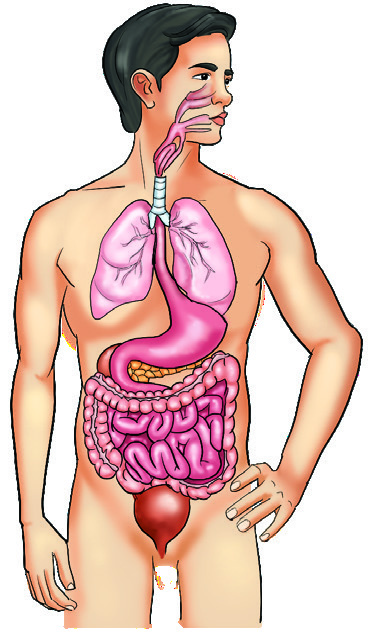
Fig 3.11: Locations of different epithelial tissues in the body
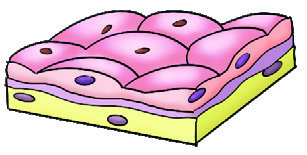
(a) Exchange — thin flat cells
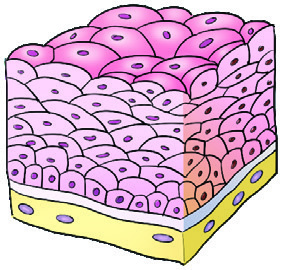
(b) Protection — many layers
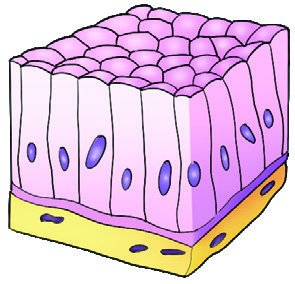
(c) Secretion — cuboidal/columnar
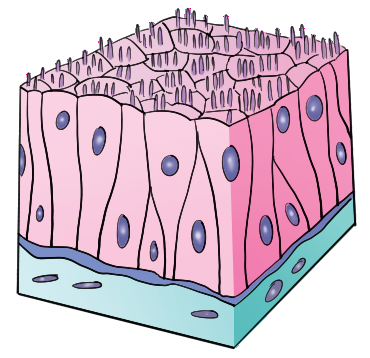
(d) Sensory — receptor cells with cilia
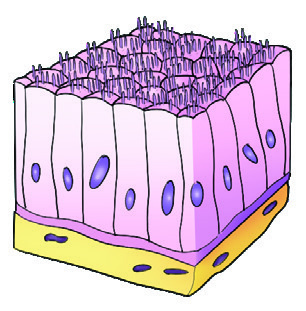
(e) Absorption — tall pillar-like cells
Q10. Which type of epithelial tissue lines the small intestine?
Show Answer
Q11. Why are the epithelial tissues that line an animal’s internal organs usually only one or a few cells thick?
Show Answer
3.3.2 How are various parts connected in our body?
- Blood connects different parts of the body by transporting nutrients, gases, hormones, etc.
- Bones connect and support the body from head to toe.
- A tissue that connects and supports other tissues is called a connective tissue.
- Both blood and bone are connective tissues, but differ in composition — blood is fluid, bone is hard — due to differences in their matrix:
- Blood: matrix (plasma) is watery, soft, jelly-like
- Bone: matrix is hard, solid, rigid
🧪 Activity 3.2: Let us understand further
- When you get a small cut: red blood oozes out; a clot forms after some time.
- When you get a skin infection: the area turns red, slightly swollen; you may have a fever.
- When you exercise or run: you breathe faster; your face may turn red.
Explanation:
- The red colour of blood is due to haemoglobin, an iron-rich protein in RBCs. RBCs live for about 4 months and are replaced regularly.
- Platelets help in blood clotting at the site of injury.
- During exercise, muscles need more oxygen, so breathing becomes faster and blood flow increases.
- White Blood Cells (WBCs) collect at infected areas, causing pus formation and inflammation.

Plasma (55%) & formed elements (45%)
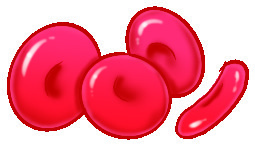
RBCs
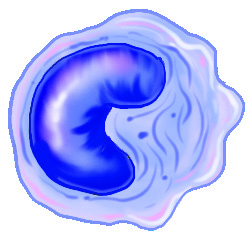
WBC
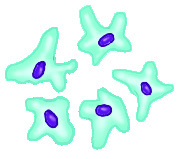
Platelets
Fig 3.12a: Components of blood
🧪 Activity 3.3: Let us perform
| Action | Experience | Function | Connective Tissue |
|---|---|---|---|
| Touch your elbow gently | A hard and rigid structure | Gives strength, support, protection | Bone |
| Press and fold your ear or nose | A soft, flexible structure that retains shape | Provides flexibility and cushions bone ends for shock absorption | Cartilage |
| Touch forearm muscles, wiggle fingers | Feel movement even though fingers are far away | Connects muscle to bone, brings about movement | Tendon |
| Move your leg upwards till knee allows | The joint does not go beyond a limit | Connects bone to bone, provides stability, limits movement | Ligament |
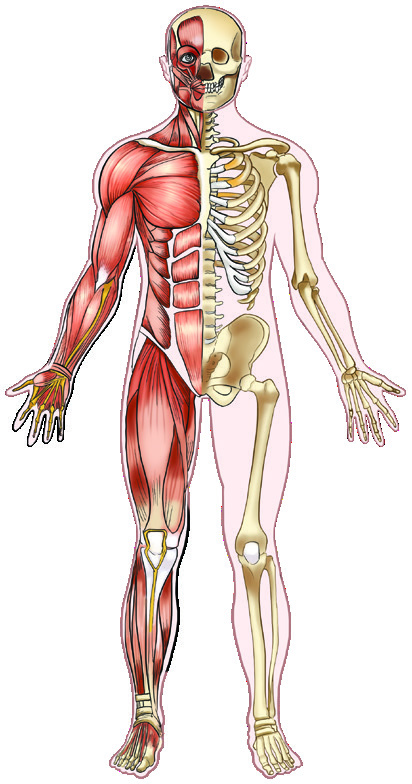
Fig 3.12b: Types of bones
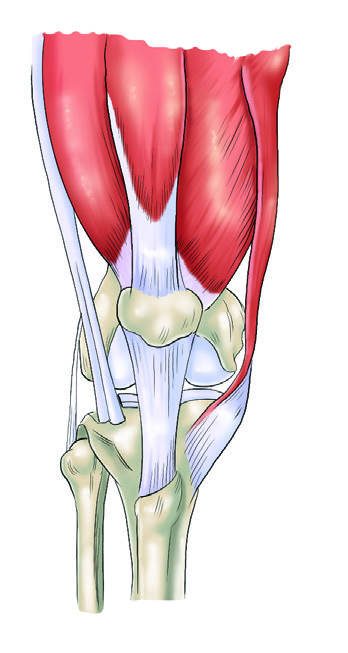
Fig 3.12c: Tendon, cartilage, ligament at a joint
- Bones have a rigid matrix containing calcium and phosphorus compounds, giving strength and rigidity.
- Cartilage has a soft, jelly-like matrix, providing flexibility and cushioning.
- Tendons connect muscles to bones; ligaments connect bones to bones and prevent excessive movement.
Q12. Which connective tissue connects muscle to bone?
Show Answer
Q13. What causes blood to clot at the site of an injury?
Show Answer
Q14. Both blood and bone are connective tissues, yet one is liquid and the other is solid. Explain why.
Show Answer
3.3.3 Can we control movement in our body?
- Voluntary movements (running, writing, lifting) are under conscious control, carried out by skeletal muscles attached to the skeleton:
- Made up of bundles of long, cylindrical cells called muscle fibres
- Unbranched, multinucleate (many nuclei) and striated (light/dark bands)
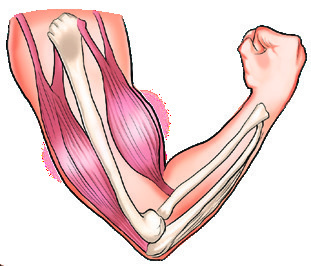
Skeletal muscle (arm)
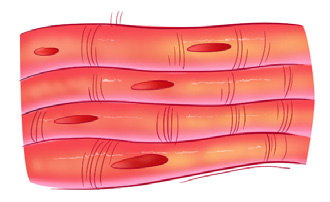
Skeletal muscle fibres (striated)
- Involuntary movements occur automatically without conscious control (e.g., movement of food in the intestine, beating of the heart).
- Smooth muscles — found in organs like the stomach and intestines:
- Spindle-shaped cells, single nucleus, lack striations
- Help in slow, continuous movements like digestion
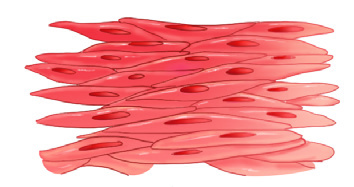
Smooth muscle
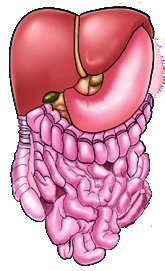
Found in stomach & intestines
- Cardiac muscles — found only in the heart:
- Fibres are cylindrical and branched, with a single nucleus, and faint striations
- Work tirelessly and rhythmically, enabling the heart to beat throughout life without fatigue
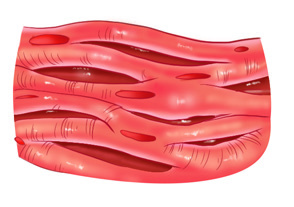
Cardiac muscle (branched)
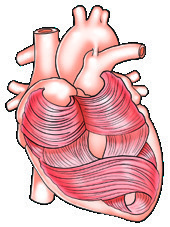
Found only in the heart
Q15. Which muscle type is found only in the heart?
Show Answer
Q16. Why are skeletal muscles described as multinucleate and striated?
Show Answer
Q17. Cardiac muscle can contract continuously throughout life without fatigue. What structural features make this possible?
Show Answer
3.3.4 How does the body sense, communicate and respond?
- Quick reactions (like pulling your hand from something hot) and memory are controlled by nervous tissue, the body’s control and coordination network.
- The brain acts as the control centre, coordinating activities, memory and responses across the body.
- The cells of nervous tissue are called neurons or nerve cells, specialised to receive, process and transmit messages.
- Each neuron has three main parts:
- Cell body — contains the nucleus and controls cell activities
- Dendrites — receive signals from other neurons
- Axon — a long fibre that carries messages from the cell and ends at axon terminals
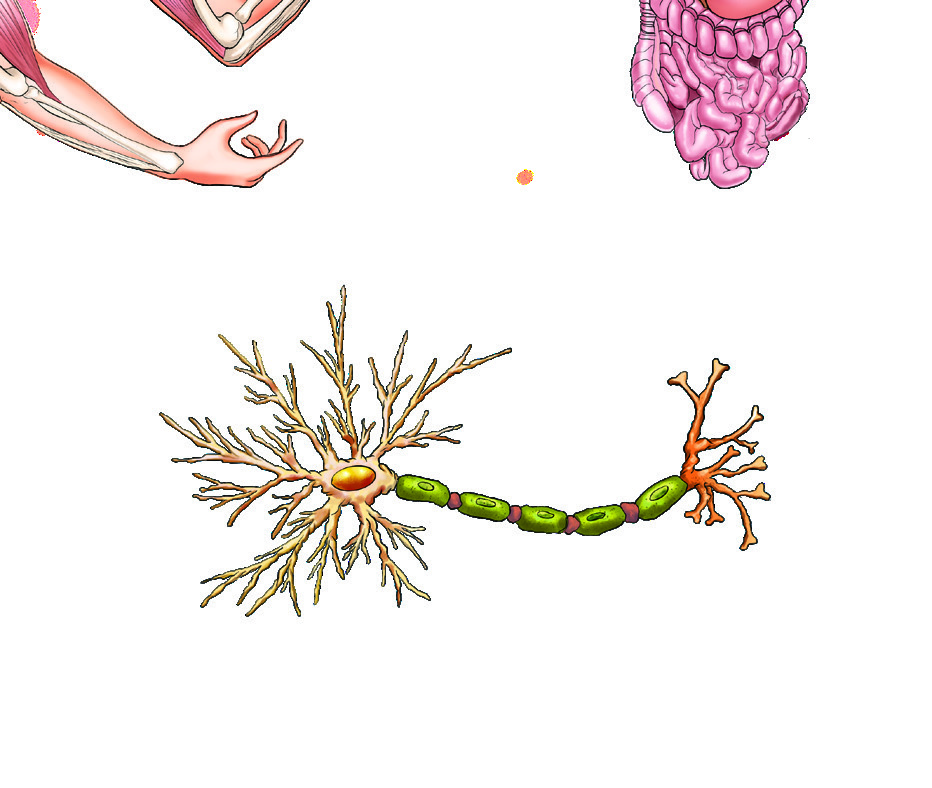
Fig 3.14: Structure of a neuron — cell body, dendrites, axon, axon terminals
Q18. What are the cells of nervous tissue called?
Show Answer
Q19. Name the three main parts of a neuron and their functions.
Show Answer
3.4 The Musculoskeletal System
- The musculoskeletal system is made up of bones, muscles, joints, cartilage, tendons and ligaments.
- Helps us stand upright, move, maintain posture and protect delicate organs.
- Functions under the control of the nervous system.
- Muscles pull on bones to produce movement; attached to bones by strong, flexible bands called tendons.
- When a muscle contracts, the tendon transmits this force to the bone, resulting in movement at a joint.
- The adult human skeleton makes up about 12–15 per cent of body weight on average, varying with age, gender and body composition.
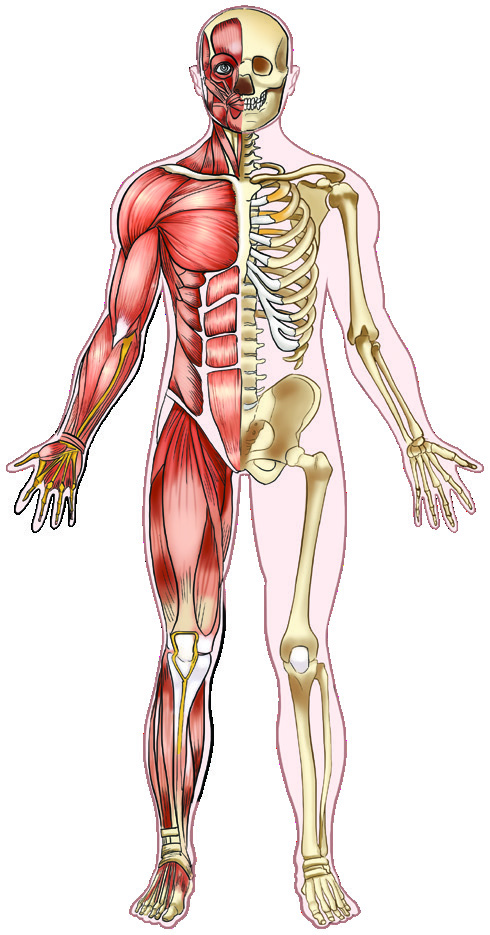
Fig 3.15: Musculoskeletal system in human body
🧪 Activity 3.4: Let us investigate
What percentage of total body weight comes from bones and muscles?
- Step on a weighing scale and record your total body weight.
- Find average bone and muscle mass percentage for your age and gender (adult males ~40–50% muscle, adult females ~30–40% muscle; bone mass ~12–15% for all adults).
- Multiply your total body weight by the bone and muscle percentages to estimate their weights.
- Compare your findings with classmates and calculate the class average.
3.4.1 The musculoskeletal system in action
🧪 Activity 3.5: Let us observe
- Move different parts of your body (elbow, shoulder, knee, neck, fingers, toes, wrist) and observe the movement each can make — complete rotation, partial rotation, bending, or other movements.
- Some parts move easily in many directions; others move only in a single direction — this difference is due to the type of joint present.
- A joint is a junction between two or more bones. Joints allow movement but cannot move the bones on their own.
3.5 Types of Joints
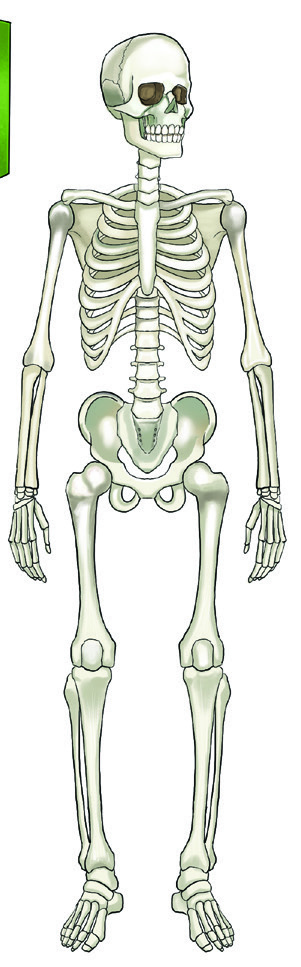
Fig 3.16: Types of joints in the human skeleton
3.5.1 Ball and socket joint
- The shoulder joint allows free movement of the arm — the rounded top of the upper arm bone fits into a shallow hollow of the shoulder bone, forming the ball and socket joint.
- Together with the collarbone, the shoulder forms the shoulder girdle, connecting the arm to the skeleton.
- Allows forward, backward, sideways and circular movements.
3.5.2 Hinge joint
- The elbow bends and straightens in one direction only, like a door hinge — this is called a hinge joint.
- A similar hinge joint is present in the knee, where the kneecap protects the joint.
3.5.3 Pivot joint
- Shaking your head ‘no’ shows the gentle movement at the back of the neck.
- The skull is connected to the backbone through a pivot joint, allowing the head to move side to side like a doorknob turning in its socket.
3.5.4 Fixed joints
- The skull is a hard case of flat bones joined together to protect the brain, eyes and ears.
- The bones of the skull are connected by fixed joints — the bones cannot move, keeping the brain safe even when the body moves.
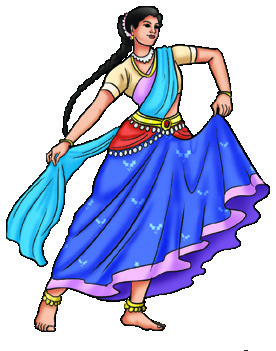
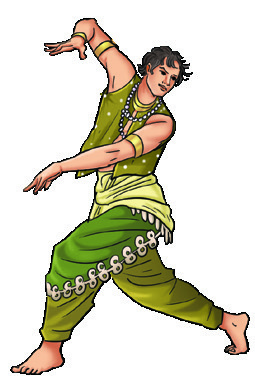
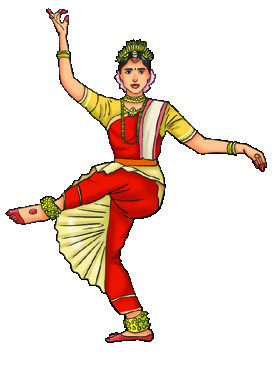
Fig 3.17: Poses of classical and folk dances of India — observe which joints and movements are involved
Q20. Which type of joint is present at the shoulder?
Show Answer
Q21. Why are the bones of the skull connected by fixed joints rather than movable joints?
Show Answer
Q22. Which type of joint is involved when you bend your knees and ankles, and why is this joint type suited to that movement?
Show Answer
3.6 Skeletal System
- The skeletal system consists of a framework of bones that provides strength and protects delicate internal organs — includes the skull, vertebral column and rib cage.
- The backbone or vertebral column (spine) extends from the base of the skull, made up of a series of small bones called vertebrae.
- Between each vertebra is a cartilage disc, acting as a cushion and allowing flexibility to bend and twist without injuring the spinal cord.
- You have 12 pairs of ribs forming the rib cage, which protects vital organs such as the heart and lungs.
- Ribs are attached to the spine at the back and to the breast bone (sternum) in the front, joined by flexible cartilage.
- This flexibility allows the rib cage to expand and contract during breathing, changing chest space to move air in and out of the lungs.
🌍 Bridging Science and Society
- Yoga, described in ancient Indian texts, includes physical postures, breathing and meditation.
- Research shows it improves flexibility, posture and breathing, reduces stress, and helps prevent lifestyle diseases.
- Every year, 21st June is observed as International Yoga Day to promote the role of Yoga in health and well-being.
- Maintaining correct posture, proper nutrition, regular exercise and yoga keeps bones strong, muscles fit, joints flexible, and protects the body from stiffness.
Q23. How many pairs of ribs are present in the human body?
Show Answer
Q24. Why is it important for the rib cage to be flexible rather than completely rigid?
Show Answer
🌍 Bridging Science and Society
- Plant pathologists have observed a disease in plants called crown gall disease — tumour-like swellings develop on stems due to rapid, uncontrolled cell division, caused by a bacterium called Agrobacterium tumefaciens.
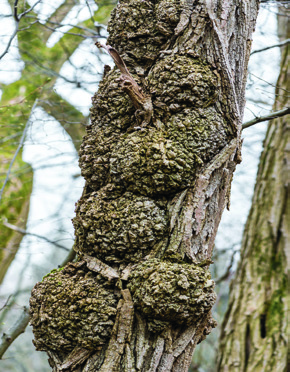
Fig 3.20: Crown gall disease
- Scientists studied how this bacterium transfers genetic material into plant cells — this knowledge was later used in plant tissue culture and genetic engineering.
- Today, Agrobacterium is used as a tool to introduce useful genes into plants, producing valuable phytochemicals, improved crops, and disease-resistant varieties.
🔬 Think as a Scientist — From one cell to an organism: Totipotency
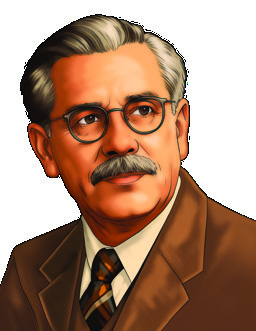
- In 1958, F. C. Steward demonstrated that even single cells from vascular phloem of carrot retain the ability to regenerate whole plants — the first person to do so!
- He grew phloem cells in a nutrient medium containing simple sugars and hormones; these cells divided to form a mass of cells, which gradually divided and differentiated into a complete plant.
- Cells of phloem first dedifferentiated (regained the ability to divide) to form an undifferentiated mass.
- These, under appropriate conditions, further divided and redifferentiated to form roots, shoot, and eventually the complete plant.
- This ability of mature plant cells to undifferentiate, divide and redifferentiate into a new plant is known as totipotency; such cells are called totipotent cells — similar to a zygote’s ability to develop into an entire organism.
🔑 At a Glance
- Tissues are groups of similar cells that work together to perform specific functions.
- Different tissues coordinate with one another to perform life processes in plants and animals.
- Plant tissues are broadly classified into meristematic and permanent tissues, depending on their ability to divide.
- Functionally, plant tissues can be categorised as protecting tissue, supporting tissue and conducting tissue.
- Permanent tissues may be simple (made up of one type of cell) or complex (made up of more than one type of cell).
- Simple permanent tissues include parenchyma, collenchyma and sclerenchyma.
- Complex permanent tissues include xylem and phloem that transport water and food respectively to all parts of the plant.
- Animal tissues are mainly of four types: epithelial, connective, muscular and nervous tissues.
- Epithelial tissue forms the outer covering of the body or protective lining to internal organs.
- Connective tissue connects and supports various organs and tissues of the body.
- Muscular tissue produces voluntary and involuntary movements for locomotion and other movements in the body.
- Nervous tissue consists of neurons to receive and transmit impulses, and helps regulate body activities.
- Skeletal system protects organs and provides support.
- In our body, movement occurs by the coordination of muscles and bones (musculoskeletal system), under the control of the nervous system.
Revise, Reflect, Refine
1. Meristematic tissues divide repeatedly. What property of their cells allows them to do this? (i) They have thick walls for protection. (ii) They contain large vacuoles that store nutrients. (iii) They have thin walls, dense cytoplasm and large prominent nucleus. (iv) They are functionally differentiated cells.
Show Answer
2. If a plant is unable to transport food from leaves to roots which tissue is malfunctioning? (i) Xylem (ii) Phloem (iii) Epidermis (iv) Sclerenchyma
Show Answer
3. Why are the epithelial tissues that line an animal’s internal organs usually only one or a few cells thick? (i) To store food efficiently. (ii) To provide maximum strength. (iii) To allow quick exchange of materials across them. (iv) To reduce friction.
Show Answer
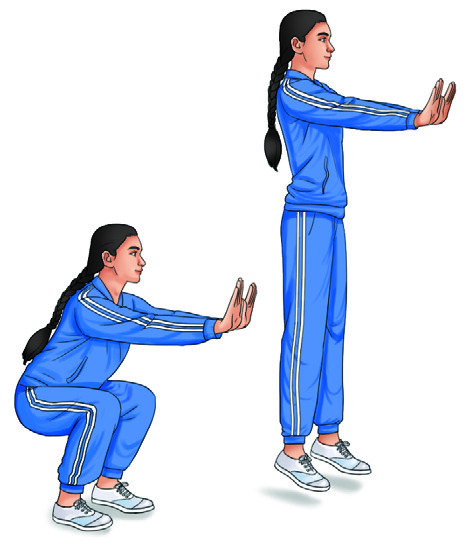
4. You can perform a straight-leg jump (knees and ankles stiff) and a normal jump (knees and ankles bend naturally). How did your ankle, knee and hip positions differ between the two jumps?
Show Answer
5. Which type of joint is involved when you bend your knees and ankles? (i) Ball and socket (ii) Hinge (iii) Pivot
Show Answer
6. Assertion-Reason: Choose (i) Both true, R explains A; (ii) Both true, R does not explain A; (iii) A true, R false; (iv) A false, R true.
A. Assertion: Epithelium is well-suited for gas exchange in the lungs. Reason: It consists of multiple layers of tall cells that slow down diffusion.
B. Assertion: Cardiac muscle can contract continuously without fatigue. Reason: Cardiac muscle cells have a high number of mitochondria and an abundant blood supply.
C. Assertion: Tendons connect bone to bone and allow joint movement. Reason: Tendons are made of tough connective tissue that transmits force from muscle to bone.
D. Assertion: In a hinge joint, movement occurs primarily in one plane. Reason: The bone ends are shaped to allow sliding in all directions.
Show Answer
B. (i) Both true, R correctly explains A.
C. (iv) A is false (tendons connect muscle to bone, not bone to bone — that’s ligaments), R is true.
D. (iii) A is true, R is false (bone ends in a hinge joint are shaped to allow movement in one plane only, not sliding in all directions).
7. Using the data: Age (yrs) 5,10,20,25,30,40 with corresponding stem diameter (cm) 4,8,24,28,32,40 and annual rings 5,10,20,25,30,40 — plot age vs diameter & rings. (i) Analyse the relationship. (ii) Relation between diameter and rings? (iii) Which tissue is responsible for girth and where is it located?
Show Answer
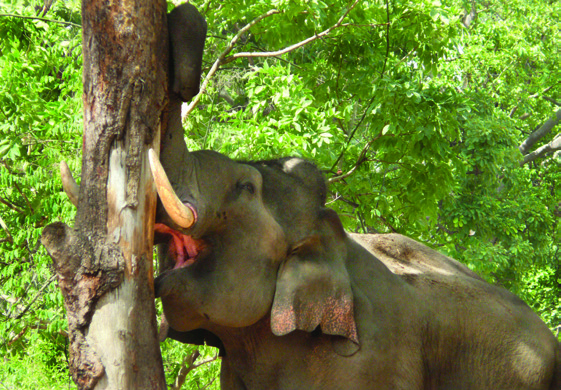
8. An elephant severely debarked a tree to access nutrients. (i) Which function(s) of the tree is/are hampered by debarking? (ii) Which plant tissue would be affected by further damage even after debarking? (iii) Which function would be hampered if tissues beneath the bark were severely damaged? (iv) What assumptions are you making?
Show Answer
9. Aamrapali observed that a young mango sapling’s stem bends flexibly during monsoon winds and does not break. Which tissue is responsible for this flexibility? Predict the impact if this tissue was replaced by sclerenchyma.
Show Answer
10. Sohan used two types of sugarcane cuttings, type A and type B. Type B sprouted into plants; type A did not. (i) Why could type B grow but not type A? (ii) What difference was present? (iii) What observation determined the effect? (iv) What parameters should be kept the same for a fair comparison?
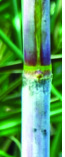
Type A — no node
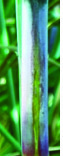
Type B — with node
Show Answer
11. Rohan says “A tissue is a group of similar cells performing similar functions.” Rajiv argues this is true for simple tissues but different for complex tissues. Explain.
Show Answer
12. Coconut husk fibres are tough and fibrous, used for mats. Which tissue provides this strength? Explain why living parenchyma couldn’t serve the same purpose.
Show Answer
13. Vibha claims, “Meristematic cells are located only at the root and shoot apices.” Is this correct? What question can Neha ask to help Vibha understand further?
Show Answer
14. A plant cell and an animal cell are of the same size. (i) Which cell will have a larger vacuole? (ii) What assumptions are you making?
Show Answer
15. A textbook states, “Each plant tissue performs only one specific function.” What questions would you ask to critically examine this? What example tissues would help answer them?
Show Answer
🚀 The Journey Beyond
- Visit a doctor and find out what happens in ligament rupture, cartilage rupture and fracture of bones. How can we reduce the risk by changing our lifestyle and nutritional balance?
- Sit with feet flat on the floor, place fingers on the back of your ankle just above the heel, point toes down and up — feel the tendon moving. Explore other tendons around different joints.
- Reflect on physical practices like yoga or kabaddi — how would they support bone and muscle health?
- Reflect on gardening methods like pruning, grafting, irrigation or crop rotation — how does each support healthy functioning of plant tissues like meristems, conducting tissues or supporting tissues?
- Study various dance forms of tribal communities across the country. Observe the joint movements involved and develop a dance or drama on the concept of joint movements.
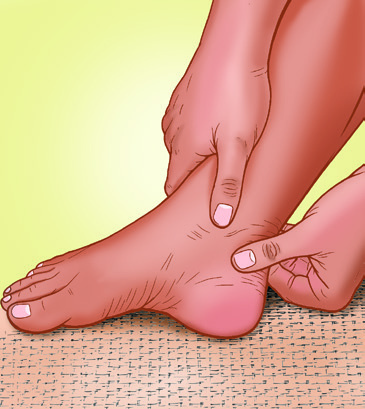
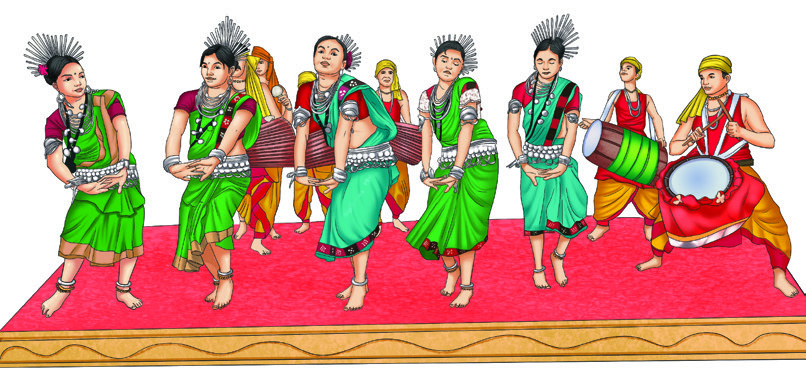
Fig 3.24 (ankle tendon) & Fig 3.25 (tribal dance poses)
The Quest Continues… Will it be possible to obtain a complete animal from an animal cell like plants? If yes, what would be the advantages and challenges of this development?
Take the Quiz
Test what you’ve learned with this 25-question quiz covering the entire chapter: