
CLASS 7 SS · CHAPTER 5
The Rise of Empires
Read the question → study the points → check your answer.
“There cannot be a country without people and there is no kingdom without a country.”
— Kauṭilya, Arthaśhāstra
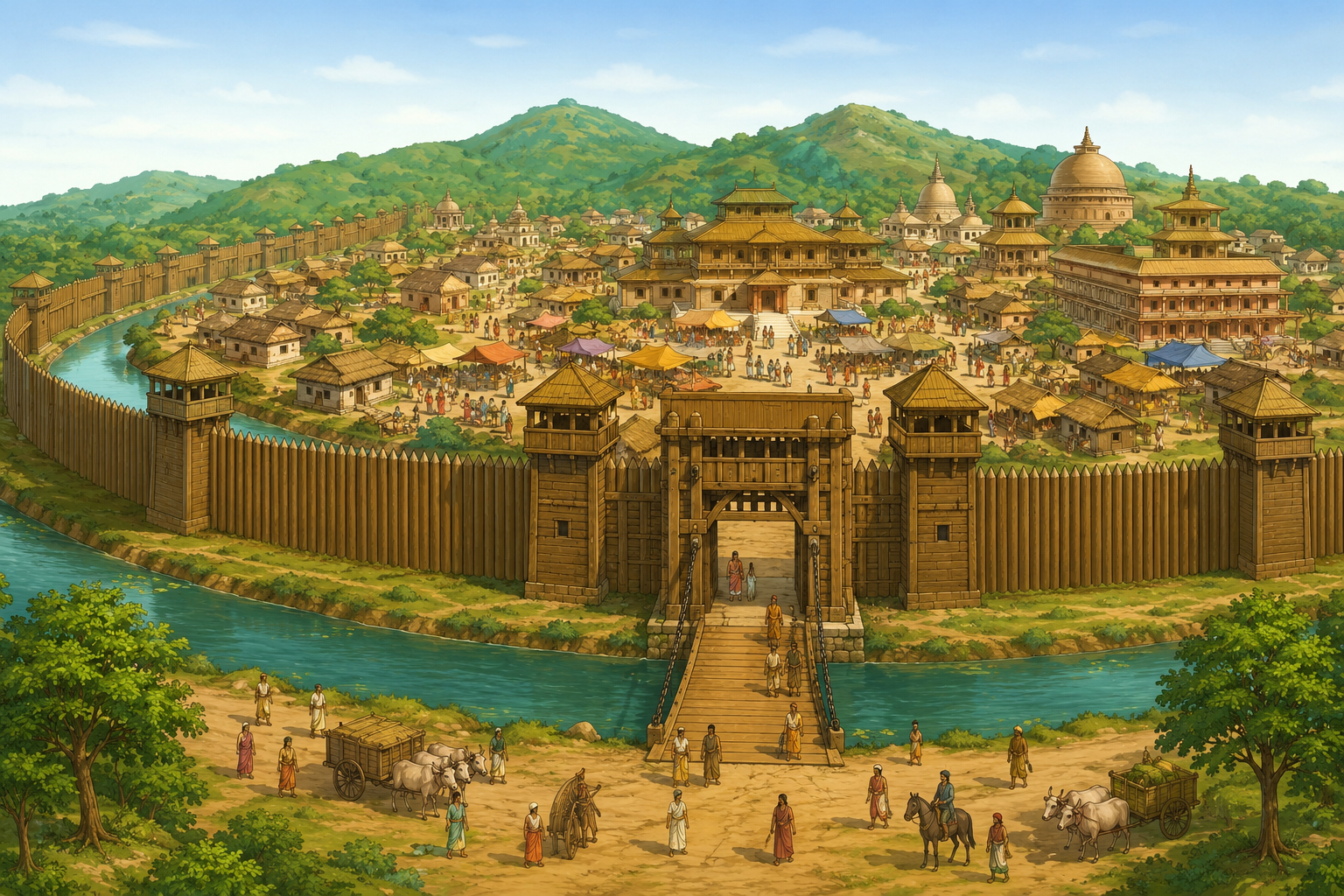
Paṭaliputra — the great capital, near modern-day Patna.
What is an Empire?
❓ Answer these by the end of this section
Q1. What is an empire, and how is it different from a kingdom?
Q2. Who is a tributary?
- ‘Empire’ comes from the Latin imperium = supreme power.
- An empire = many smaller kingdoms under one supreme emperor, ruled from a capital (e.g. Paṭaliputra).
- The smaller kings stay on their thrones — but submit to the emperor and pay tribute (gold, grain, livestock, elephants).
- Sanskrit titles for emperor: samrāj (lord of all) · adhirāja (overlord) · rājādhirāja (king of kings).
| Kingdom | Empire | |
|---|---|---|
| Size | One territory | Many kingdoms |
| Ruler | One king | One emperor + tributary kings |
| Payment | People pay tax to king | Tributary kings pay tribute to emperor |
✅ Answer Q1: An empire is a collection of many smaller kingdoms ruled by one supreme emperor from a capital city. A kingdom has one territory and one king; an empire has many territories whose kings all submit to a single emperor.
✅ Answer Q2: A tributary is a ruler or state that has submitted to the emperor and pays tribute — gold, grain, livestock or elephants — as a sign of loyalty and acceptance of his overlordship.
Features of an Empire
❓ Answer this by the end of this section
Q3. What are the six main features of an empire?
👑 The emperor exerts central authority over all tributary territories and kings
1
Army — control tributaries, expand, defend
2
Administration — officials, taxes, law & order
3
Laws & currency — coins, weights, trade rules
4
Resources — mines, forests, produce, manpower
5
Art & learning — literature, religions, centres
6
Communication — roads, river & sea routes
- Why expand a kingdom into an empire? Fame for posterity (future generations) · access to resources · wealth for the emperor and empire.
- In return for tribute and loyalty, regional kings continued governing their own areas.
✅ Answer Q3: An empire (1) maintains an army, (2) runs an administration to collect taxes and keep law and order, (3) makes laws and issues currency, (4) controls resources like mines and forests, (5) encourages art and learning, and (6) maintains communication networks — roads and river/sea routes.
Trade, Trade Routes and Guilds
❓ Answer these by the end of this section
Q4. Why were trade routes important for an empire?
Q5. What was a guild (śhreṇī)?
- Armies are costly — soldiers need food, clothes, weapons, pay; elephants and horses need care. Empires need economic power.
- More trade = more goods = more income for producers + more tax for the ruler. So emperors controlled trade routes.
- Two great routes: Uttarapatha (northern) · Dakṣhiṇapatha (southern).
- Traded goods: textiles, spices, farm produce, gems, handicrafts, animals — by land and sea, even to distant countries.
- Traders formed guilds (śhreṇīs) — associations of traders, craftsmen, moneylenders or agriculturists with an elected head.
- Guilds made their own internal rules — the king did not interfere. They show the self-organising ability of Indian society.
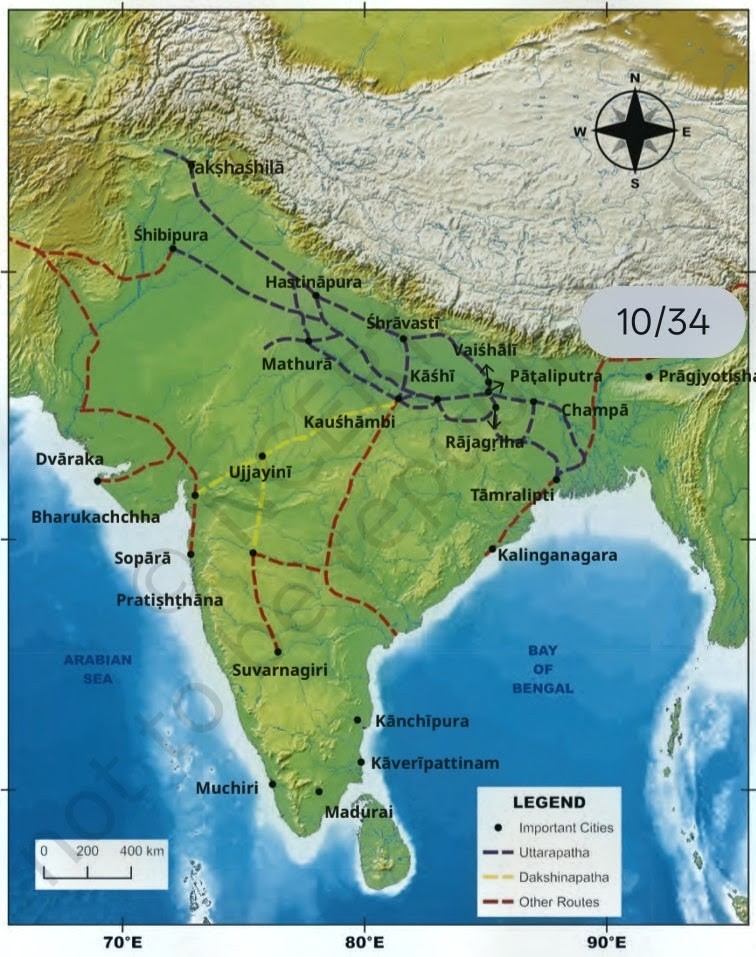
Fig 5.5: Trade routes ~500 BCE — Uttarapatha and Dakṣhiṇapatha.
✅ Answer Q4: Maintaining an army and administration was costly, so empires needed trade wealth. Controlling trade routes increased the quantity and variety of goods, giving more income to producers and more tax revenue to the ruler.
✅ Answer Q5: A guild (śhreṇī) was a powerful association of traders, craftsmen, moneylenders or agriculturists with an elected head. Guilds made their own internal rules, which even the king did not interfere with, and helped members cooperate instead of competing.
The Rise of Magadha
❓ Answer these by the end of this section
Q6. Why did Magadha rise to power?
Q7. Who founded the Nanda dynasty, and why did it fall?
- Period: 6th–4th century BCE — a time of profound change in north India.
- Magadha (modern south Bihar) was one of the sixteen mahājanapadas; early king Ajātaśhatru made it a dominant power.
- The Buddha and Mahāvīra lived in Ajātaśhatru’s time.
- Why Magadha rose: fertile Ganga plains · forests (timber, elephants) · iron from nearby hills → iron ploughs (more food) + iron weapons (stronger army) · Ganga & Son rivers for transport and trade.
- Surplus food freed people for arts and crafts — in demand inside and outside the empire.
- Mahāpadma Nanda (~5th century BCE) founded the Nanda dynasty — unified many kingdoms, issued coins, maintained a large army (per Greek accounts).
- Last Nanda emperor Dhana Nanda — very rich but oppressed his people → highly unpopular → paved the way for the Mauryas.
- Pāṇini (Nanda era) composed the Aṣhṭādhyāyi — Sanskrit grammar in 3,996 short sūtras (crisp, easy-to-remember phrases).
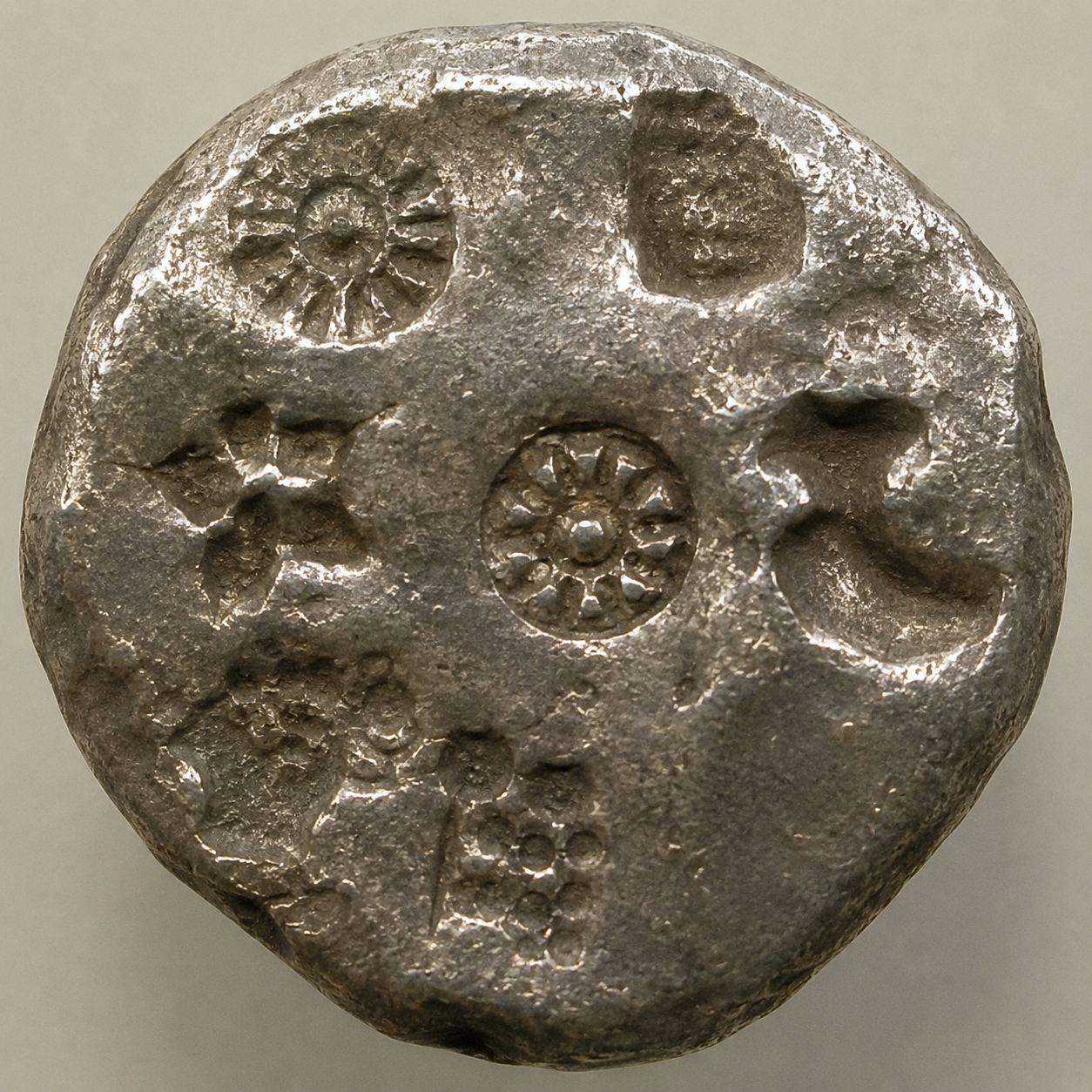
Fig 5.7: Punch-marked silver coin of Mahāpadma Nanda.
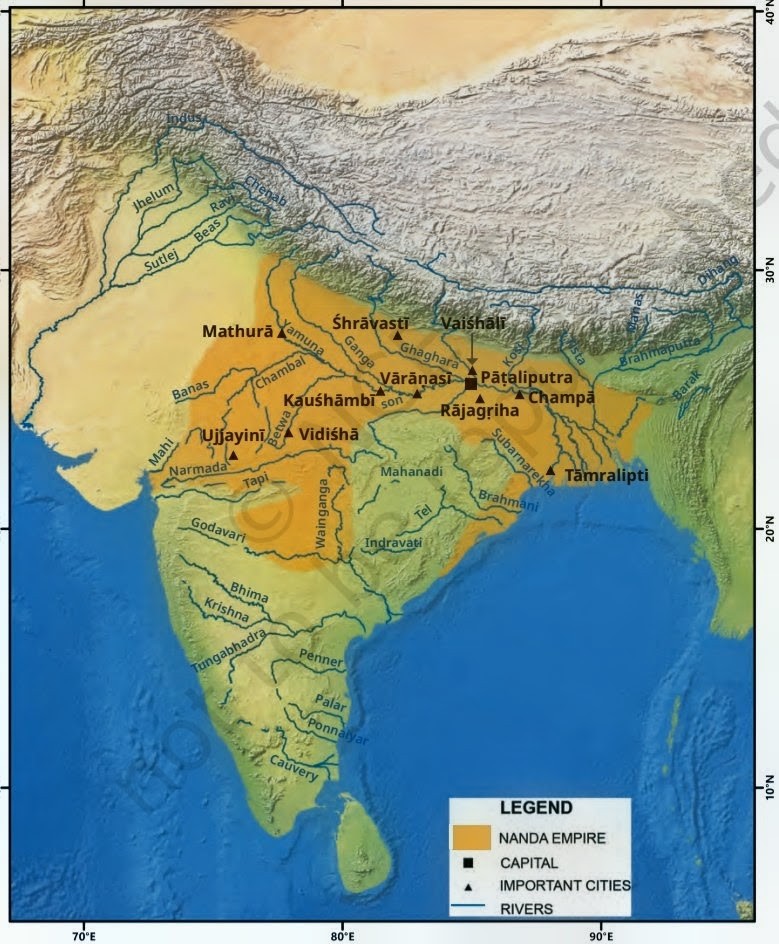
Fig 5.12: The Nanda Empire — capital Paṭaliputra.
✅ Answer Q6: Magadha rose because of its fertile Ganga plains, forests giving timber and elephants, iron from nearby hills (iron ploughs increased farm produce and iron weapons strengthened the army), and the Ganga and Son rivers which helped transport and trade.
✅ Answer Q7: Mahāpadma Nanda founded the Nanda dynasty around the 5th century BCE. It fell because the last emperor, Dhana Nanda, though very rich, oppressed and exploited his people — his unpopularity paved the way for Chandragupta Maurya to conquer the empire.
The Arrival of the Greeks
❓ Answer these by the end of this section
Q8. Why did Alexander’s army turn back from India?
Q9. Who were the satraps?
- The northwest had smaller kingdoms on an ancient route to the Mediterranean — among them the Pauravas, led by king Porus.
334–331 BCE
Alexander of Macedonia conquers the Persian Empire — his empire spans three continents.
327–325 BCE
Enters India, defeats Porus in Punjab. Faces fierce resistance; his tired, homesick soldiers refuse to march towards the Ganga → he retreats through harsh deserts, losing many troops.
323 BCE
Dies in Babylon at age 32. His empire is divided among his generals and satraps.
- Asked how he wished to be treated, Porus replied: “Like a King.” Alexander, impressed, made him satrap of his own kingdom.
- Gymnosophists — Indian sages (‘naked philosophers’) who answered Alexander’s riddles calmly and wisely; he spared them all. A famous meeting of Greek and Indian philosophy.
- Impact of the invasion: limited political change, but it opened Indo-Greek cultural contact.
✅ Answer Q8: After defeating Porus, Alexander’s soldiers were tired and homesick, and they faced fierce resistance from local tribes and rulers. They lost the will to fight and refused to march deeper into India towards the Ganga — forcing Alexander to retreat.
✅ Answer Q9: Satraps were governors of provinces of the Persian and Greek empires, left behind by the overlord (like Alexander) to manage far-off territories. Though only officials, distance from the ruler gave them great power and freedom.
The Mighty Mauryas
❓ Answer these by the end of this section
Q10. How did Chandragupta Maurya build his empire?
Q11. Who was Kauṭilya, and what is the saptānga?
- 321 BCE — Chandragupta Maurya overthrows the Nandas; capital Paṭaliputra. The Maurya Empire begins.
- His mentor: Kauṭilya (also called Chāṇakya / Viṣhṇugupta) — teacher at Takṣhaśhila university. Insulted and thrown out by Dhana Nanda → vowed to end the ‘evil Nanda’ rule.
- Chandragupta defeated the Greek satraps in the northwest; the empire stretched from the northern plains to the Deccan plateau.
- Greek ambassador Megasthenes lived in his court and wrote Indika — the first written foreign account of India (now lost, except quoted excerpts).
- Kauṭilya’s book: the Arthaśhāstra — ‘the science of governance and economics’. Core idea: “In the happiness of his subjects lies the king’s happiness.”
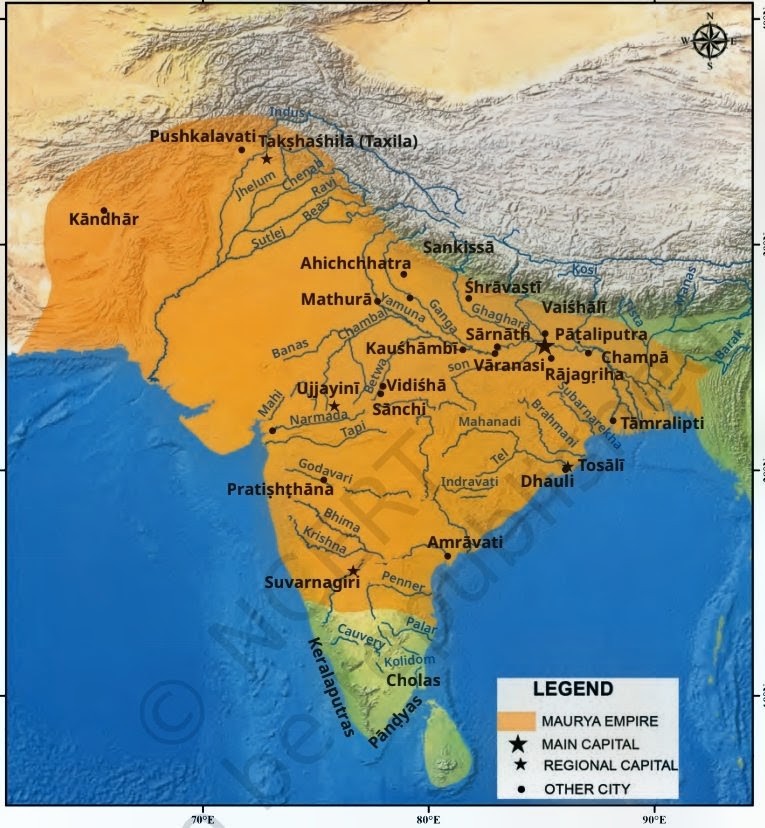
Fig 5.13: The Maurya Empire — main capital Paṭaliputra; regional capitals Takṣhaśhila, Ujjayinī, Suvarṇagiri.
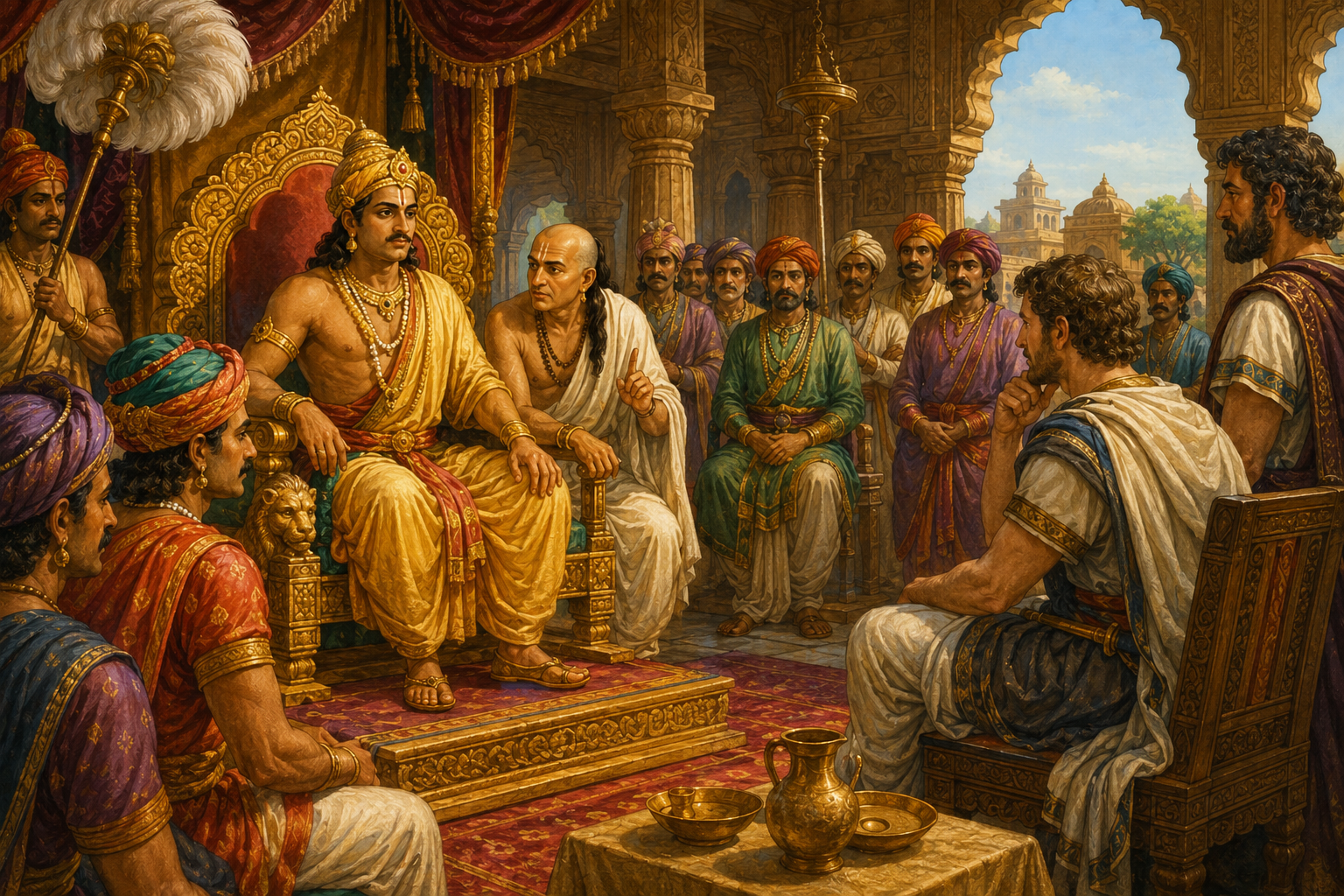
Fig 5.14: Megasthenes in the court of Chandragupta Maurya.
Kauṭilya’s Saptānga — the 7 limbs of a kingdom
Swāmithe king
Amātyaministers & officials
Janapadaterritory + people
Durgafortified towns
Kośhatreasury
Daṇḍadefence, law & order
Mitraallies
The saptānga matches a modern nation — head of state, ministers, citizens, defence, treasury, police, allies!
Nanda vs Maurya — compare
| Nanda Empire | Maurya Empire | |
|---|---|---|
| Founder | Mahāpadma Nanda | Chandragupta Maurya |
| Period | ~5th century BCE | 321 BCE onwards |
| Extent | Parts of eastern & northern India | Northern plains to the Deccan; later almost the whole Subcontinent |
| Known for | First coins, large army | Kauṭilya’s statecraft, Megasthenes’ Indika, Aśhoka’s dharma |
| End | Dhana Nanda’s oppression → overthrown | Weak successors → declined ~185 BCE |
✅ Answer Q10: Around 321 BCE, Chandragupta Maurya overthrew the unpopular Nandas with the guidance of his mentor Kauṭilya, made Paṭaliputra his capital, defeated the Greek satraps in the northwest, and expanded the empire from the northern plains to the Deccan plateau.
✅ Answer Q11: Kauṭilya (Chāṇakya / Viṣhṇugupta) was a teacher at Takṣhaśhila and Chandragupta’s mentor, who wrote the Arthaśhāstra. His saptānga is the idea that a kingdom has seven limbs — king (swāmi), ministers (amātya), territory and people (janapada), forts (durga), treasury (kośha), defence and law (daṇḍa), and allies (mitra).
Aśhoka — The King Who Chose Peace
❓ Answer these by the end of this section
Q12. What changed Aśhoka after the Kalinga war?
Q13. What are Aśhoka’s edicts, and what did they say?
- Aśhoka (268–232 BCE) — Chandragupta’s grandson. Expanded the empire to almost the entire Subcontinent (+ today’s Bangladesh, Pakistan, parts of Afghanistan).
- Kalinga war (modern Odisha): seeing the enormous death and destruction, Aśhoka gave up violence and adopted the path of peace taught by the Buddha.
- Sent emissaries (diplomatic messengers) to Sri Lanka, Thailand, Central Asia to spread the Buddha’s message.
- Edicts = official declarations inscribed on rocks and pillars — in the Prakrit language, Brahmi script (mother of Indian scripts). He called himself Devanampiya Piyadasi (‘Beloved of the Gods’).
- Welfare works in the edicts: medical care for people and animals · ban on cruelty to animals · rest houses, wells, shade trees along roads · respect among all sects.
- Dharma (dhamma) = duty, law, truth, order and ethics — all together.
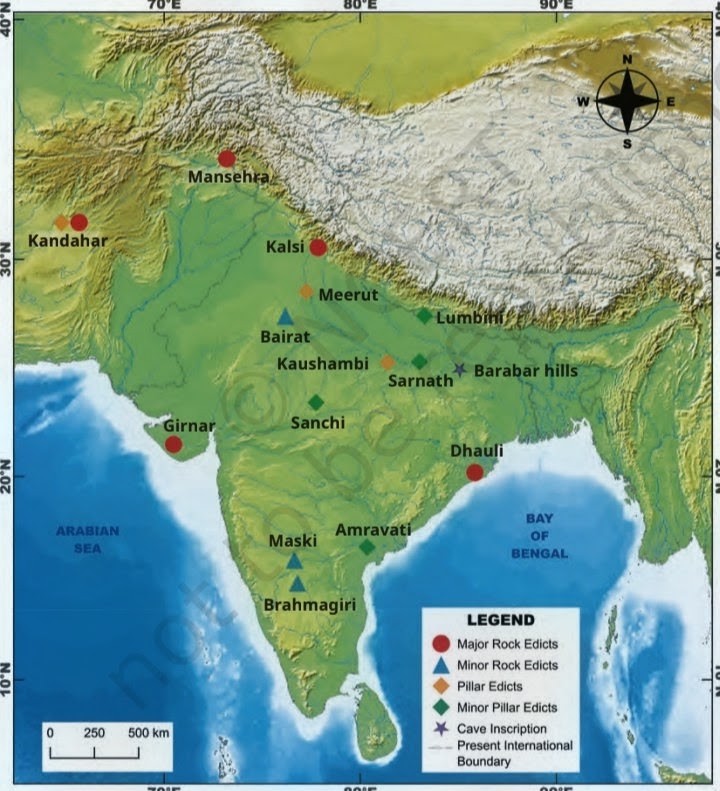
Fig 5.17: Aśhokan edict sites across the Subcontinent.
Chandragupta vs Aśhoka — compare
| Chandragupta | Aśhoka | |
|---|---|---|
| Role | Founder of the empire | Grandson; greatest expansion |
| Guided by | Kauṭilya’s statecraft | The Buddha’s teachings (after Kalinga) |
| Path | Conquest & consolidation | Peace, dharma & welfare |
| Famous record | Megasthenes’ Indika | Edicts on rocks & pillars |
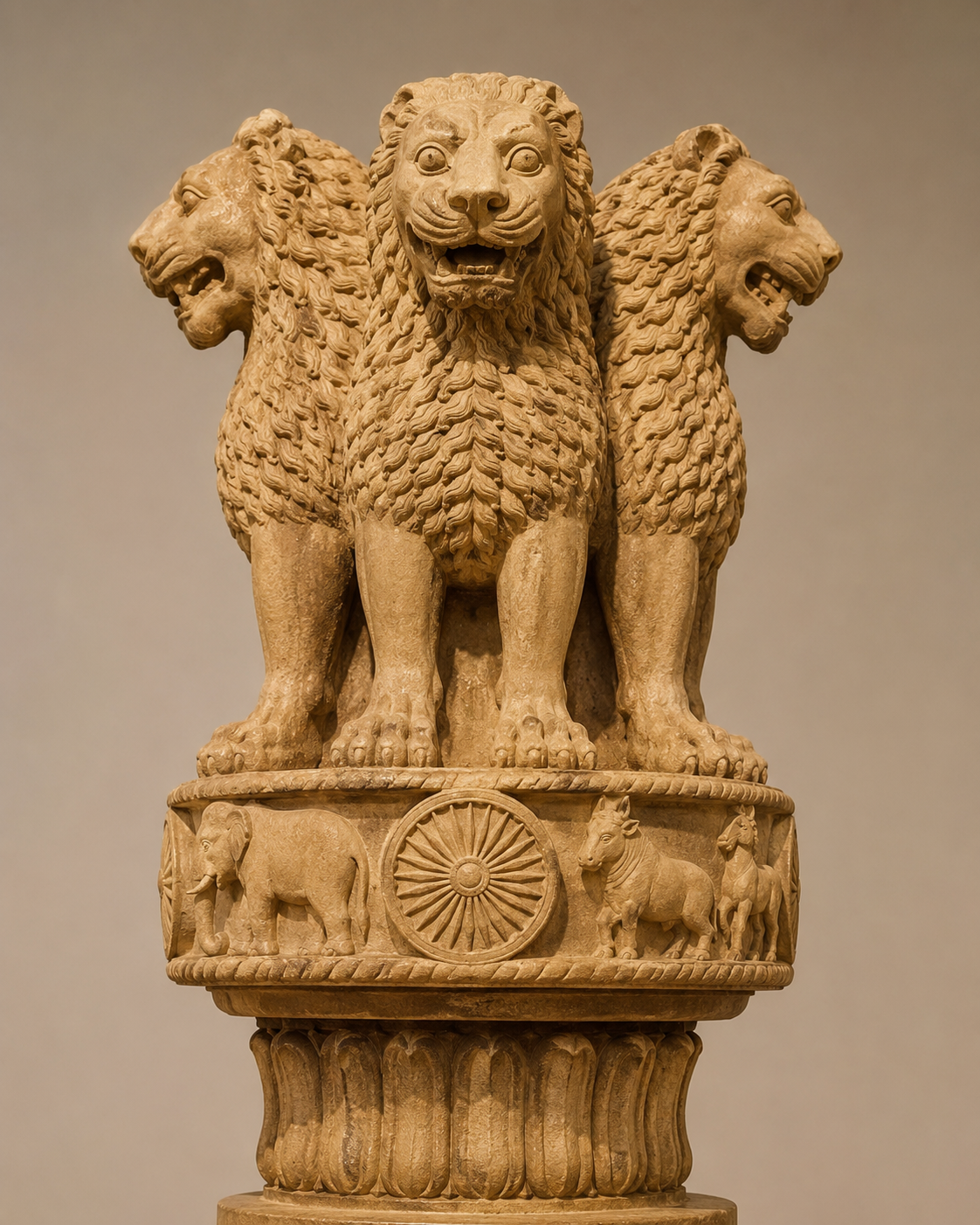
Fig 5.20: Sarnath Lion Capital — now India’s national emblem.
✅ Answer Q12: After seeing the enormous death and destruction of the Kalinga war, Aśhoka chose to give up violence and adopted the path of peace and non-violence taught by the Buddha. He then devoted himself to dharma and the welfare of his people.
✅ Answer Q13: Edicts are official declarations that Aśhoka had inscribed on rocks and pillars across his empire, mostly in the Prakrit language using the Brahmi script. They encouraged people to follow dharma, announced welfare works like medical care, rest houses, wells and tree planting, and promoted respect among all sects.
Life in the Mauryan Period
❓ Answer this by the end of this section
Q14. What was life like in the Mauryan empire?
- Cities like Paṭaliputra — bustling centres of governance and commerce; palaces, public buildings, well-planned streets with signage.
- Strong taxation system + brisk trade kept the treasury full.
- Agriculture was the main occupation; two crops a year (summer + winter rain) → famines rare, granaries stocked. Farmers were protected even during war.
- Sohagaura copper plate (UP, 4th–3rd century BCE) — one of India’s earliest administrative records; mentions a granary against famines.
- Artisans in cities: blacksmiths, potters, carpenters, jewellers. Couriers carried messages; streets kept water vessels against fire; wooden houses up to two storeys.
- People wore cotton — lower garment below the knee, upper garment over the shoulders; some wore designed leather shoes with thick soles.
✅ Answer Q14: Mauryan cities were well-planned centres of trade and governance with palaces and signposted streets. Most people farmed, growing two crops a year so famines were rare; farmers were protected even in war. Artisans lived in cities, couriers carried messages, houses were wooden (up to two storeys), and people wore cotton garments.
Mauryan Art & Our National Emblem
❓ Answer this by the end of this section
Q15. How is the Maurya empire connected to India’s national emblem and flag?
- The Mauryas were famous for highly polished stone pillars.
- Sarnath Lion Capital — top of a pillar Aśhoka erected at Sarnath (where the Buddha gave his first teaching). Four lions = royal power; ring below shows an elephant, bull, horse, lion + the dharmachakra (wheel of dharma).
- Chosen as India’s national emblem; motto satyameva jayate (“truth alone triumphs”, from the Muṇḍaka Upaniṣhad).
- The dharmachakra sits at the centre of our national flag.
- Great Stūpa at Sanchi — among India’s oldest stone structures. Dome = aṇḍa (represents the universe, houses relics); walking around it in worship = pradakṣhiṇa.
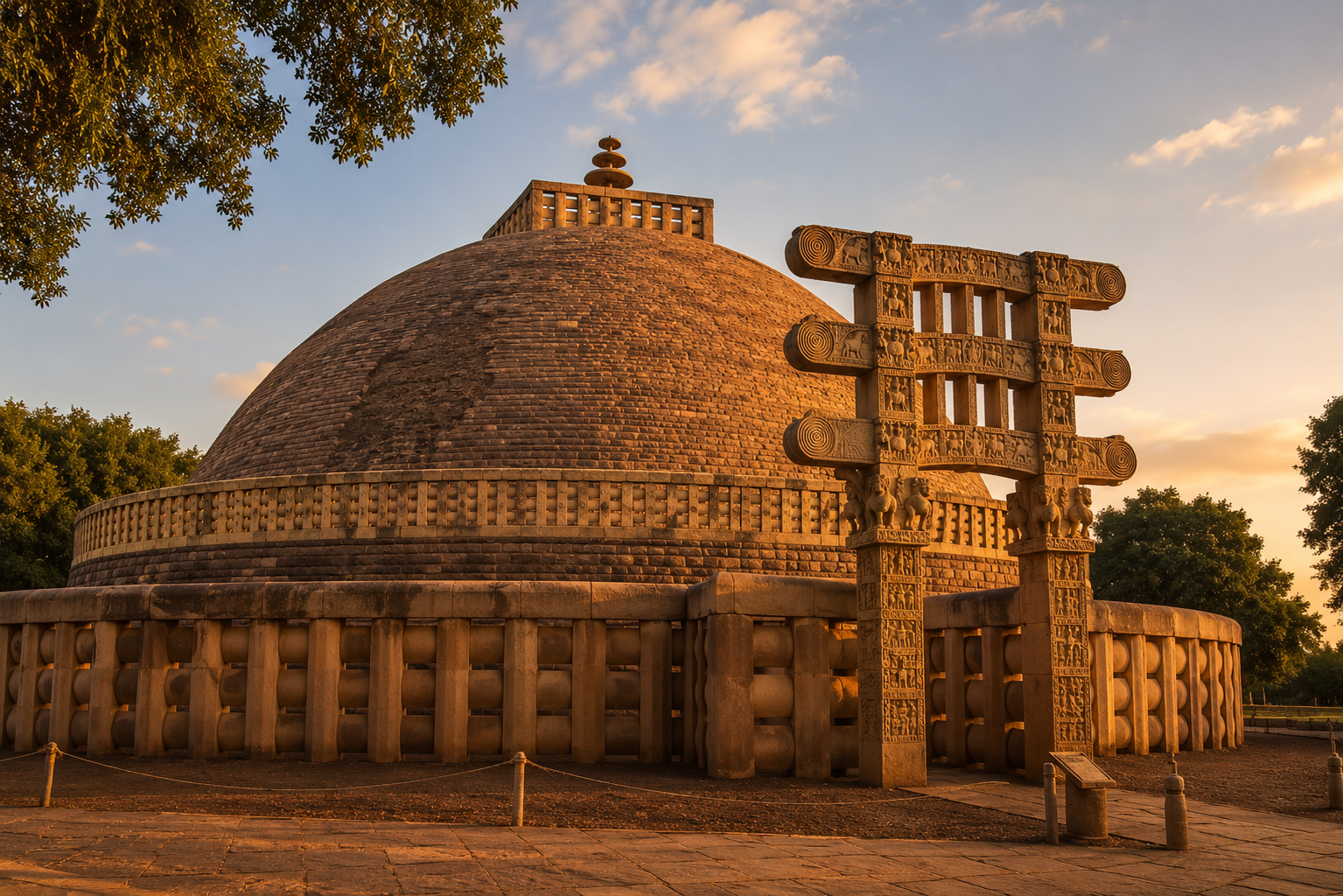
Fig 5.26: The Great Stūpa at Sanchi.
✅ Answer Q15: The Sarnath Lion Capital, which topped a pillar erected by Aśhoka, became India’s national emblem with the motto satyameva jayate (“truth alone triumphs”). Its dharmachakra — the wheel of dharma symbolising the Buddha’s teachings — is at the centre of the national flag.
The Fragile Nature of Empires
❓ Answer this by the end of this section
Q16. Why do empires decline? Why are they called a paradox?
- Why empires break: regions try to become independent (heavy tribute → resentment) · weak successors after a strong emperor · huge size — far-off territories split first (as Alexander found) · economic crises from droughts or floods.
- The paradox: empires bring political unity and prosperity (as the Mauryas did) — yet they are built by war and held by force, making them fragile at the core.
- After Aśhoka’s death his successors could not hold the empire together; around 185 BCE the Maurya empire declined.
600–500 BCE
Mahājanapadas; Magadha rises under Ajātaśhatru.
~400 BCE
Mahāpadma Nanda founds the Nanda dynasty.
321 BCE
Chandragupta Maurya + Kauṭilya — Maurya Empire begins.
268–232 BCE
Aśhoka reigns; Kalinga war → peace & dharma.
~185 BCE
Maurya Empire declines.
Fig 5.30: Timeline — Mahājanapadas → Nandas → Mauryas.
✅ Answer Q16: Empires decline when regions rebel against heavy tribute, weak successors follow strong emperors, far-off territories break away because the empire is too large, or natural calamities cause economic crises. They are a paradox because they bring political unity and prosperity, yet are created by war and held together by force — making them fragile and unstable over time.
🌙 Night-Before-Exam Quick Recap
- Empire = many kingdoms, one emperor; tributaries pay tribute. Imperium = supreme power.
- 6 features: army · administration · laws/currency · resources · art & learning · communication.
- Routes: Uttarapatha (north), Dakṣhiṇapatha (south). Guilds = self-ruling trade associations.
- Magadha: Ganga plains + iron + rivers. Nandas: coins, big army; Dhana Nanda unpopular.
- Alexander: beat Porus, army refused to go on, died at Babylon aged 32. Satraps = governors.
- Mauryas: Chandragupta (321 BCE) + Kauṭilya (Arthaśhāstra, saptānga); Megasthenes’ Indika.
- Aśhoka: Kalinga → peace; edicts in Prakrit/Brahmi; Devanampiya Piyadasi; Sarnath capital = national emblem; ~185 BCE decline.
📝 Test Yourself — 25-Question Quiz